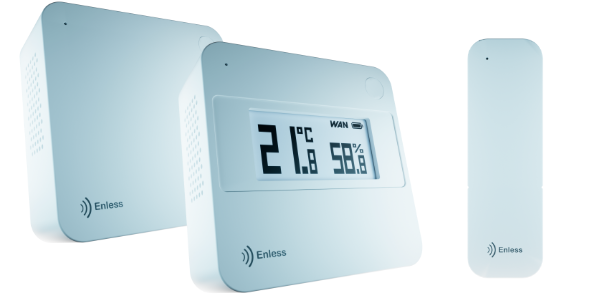
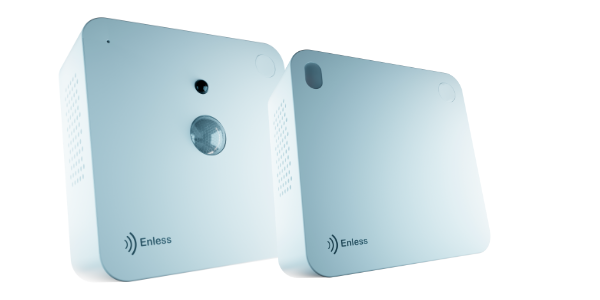
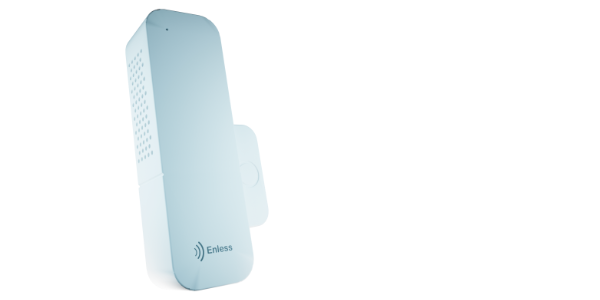
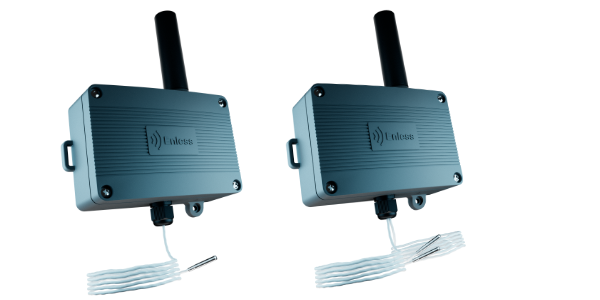
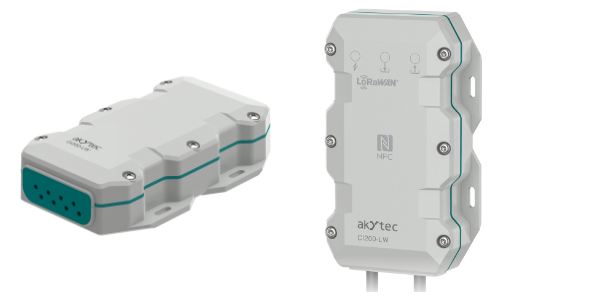
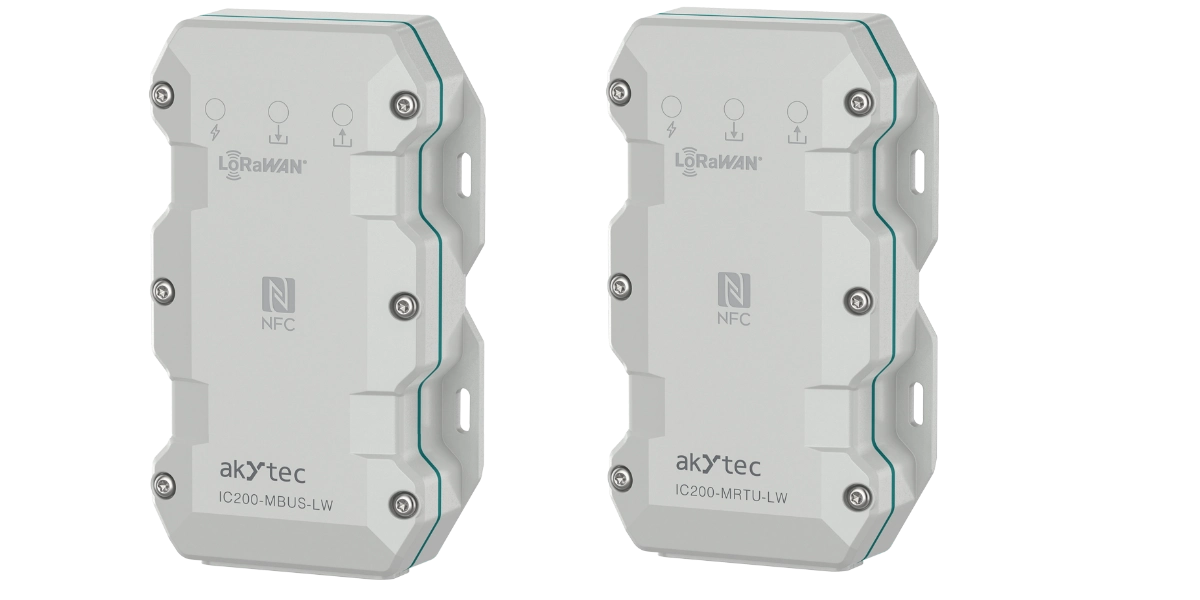
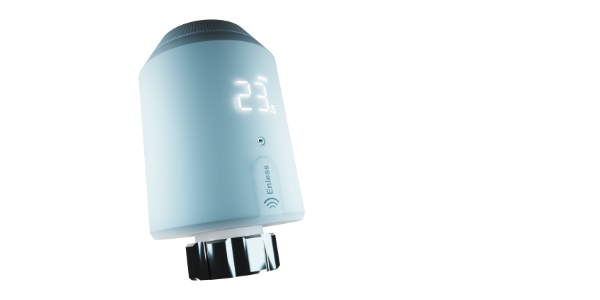
LoRaWAN® sensors enable long-range monitoring of temperature, humidity, CO₂, pulse, meter, contact and analog signals in locations where cabling infrastructure is difficult or costly to install. You can explore sensors according to measurement type, battery life, data transmission interval, protection rating and gateway compatibility.
LoRaWAN® sensors transmit the data they measure wirelessly to a gateway with low power consumption. The gateway can then transfer the data to a network server, monitoring platform or, through suitable integration, to PLC, SCADA and BMS systems. This architecture helps reduce cabling requirements, particularly across large sites and applications with many measurement points.
In addition to the parameter to be measured and the required accuracy, data transmission interval, battery life and environmental conditions should be evaluated. Indoor or outdoor use, IP protection rating, antenna design and installation location can affect wireless coverage performance. Due to building structure, distance and obstacles, gateway location should be determined based on site conditions.
Temperature, humidity, CO₂, pulse meter, dry contact, 4-20 mA and external probe options address different monitoring requirements. When designing the system, the LoRaWAN frequency plan and compatibility of the devices with the gateway and software platform should be verified. At Tesla Kontrol, we support the development of wireless monitoring solutions by evaluating the sensor, gateway and higher-level system integration together.